Decolonizing Contemporary Art: New Perspectives and Voices
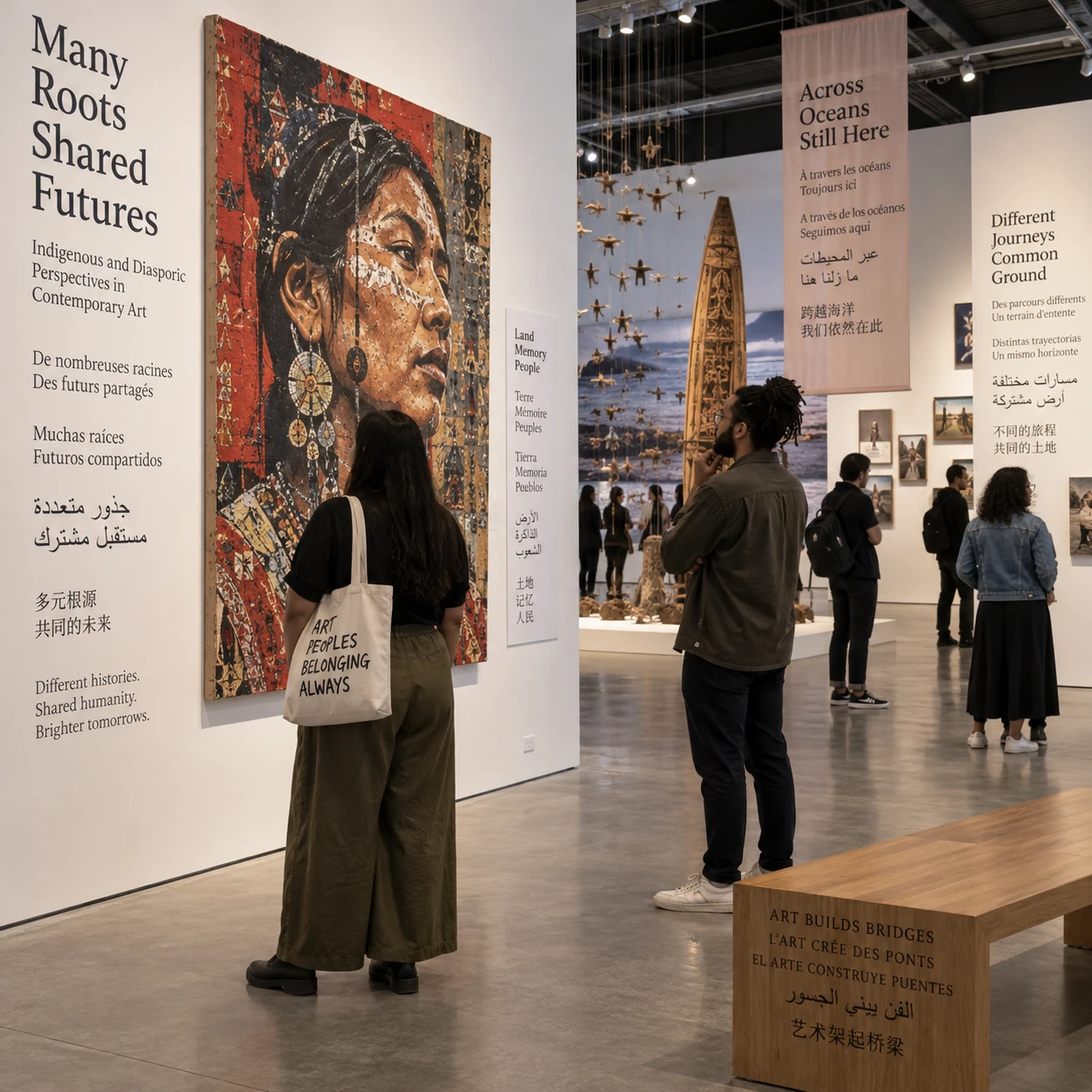
Who gets to tell the story of art, and who decides which stories belong in a museum? Decolonizing contemporary art asks these questions while making room for histories, knowledge systems, and creative practices often pushed to the margins. The work reaches beyond exhibition walls: it also concerns collecting, interpretation, ownership, and the power to shape cultural institutions.
What Does Decolonizing Contemporary Art Mean?
Decolonizing contemporary art means challenging the colonial assumptions and power structures that shape how art is made, collected, interpreted, and valued. It requires changing the frameworks behind representation, not simply adding more diverse artists to an unchanged system.
Colonial narratives have often treated Western art histories as universal while describing other practices as regional, traditional, or outside modernity. A decolonial approach questions that hierarchy. It considers whose knowledge counts, who has authority to interpret an artwork, and whether the terms used to display it reflect the artist’s own context.
This work can include recognizing Indigenous art and knowledge as living, evolving practices; understanding how diaspora shapes identity and artistic exchange; and confronting the histories behind institutional collections. It also involves reviewing the language of wall labels, the design of exhibitions, and the conditions under which artists are invited to participate.
Representation is a starting point, not the outcome. An exhibition may feature a wider range of artists yet still frame their work through a narrow Western lens. Decolonization is an ongoing practice of shifting resources, authority, and interpretation, with attention to the distinct histories of the people and communities involved.
Whose Stories Have Shaped the Art World?
Colonial histories and art-world power structures have influenced which artists are recognized, which objects enter collections, and how their meaning is explained. These histories have often privileged institutions in Europe and North America as arbiters of artistic value.
Museums and galleries did not develop outside politics. Objects entered collections through a range of circumstances, including trade, colonial administration, coercion, and unequal exchange. The provenance of a work—the record of its ownership and movement—can reveal questions about consent, legal title, and cultural responsibility. In some cases, restitution or repatriation may be appropriate; in others, institutions must still address gaps in documentation and unequal access to decision-making.
Interpretation matters too. Labels that describe an object as anonymous or primitive can erase individual makers and the systems of knowledge that informed their work. Meanwhile, European art movements have often been presented as the central timeline, with artists elsewhere positioned as influences or footnotes rather than participants in shared, complex histories.
Changing this account does not mean replacing one single canon with another. It means examining how canons are built, who benefits from them, and what forms of evidence institutions have historically accepted. The UNESCO overview of Indigenous peoples provides context for the diversity of Indigenous communities and the importance of recognizing their rights and knowledge on their own terms.
New Perspectives and Voices in Contemporary Art
Artists bring new perspectives to contemporary art by working from specific Indigenous, diasporic, and other historically marginalized experiences. Their work can question who controls cultural memory and how identity, place, and history are represented.
There is no single style that defines decolonial art. An artist might use film, painting, performance, sculpture, sound, archival material, or community collaboration. Some revisit family histories shaped by migration; others engage with language, land, or inherited knowledge. These approaches can connect personal experience to wider histories without reducing an artist’s practice to a lesson about identity.
For example, a work that combines family photographs with official records might expose how state archives leave out the people they describe. A collaborative installation developed with a community might bring local knowledge into a gallery while asking who controls the final presentation. In each case, the choices of medium and form matter, but so do authorship, consent, and the relationships around the work.
Context should deepen the encounter, not define the artist. Audiences can attend to the formal qualities of a work alongside its historical and cultural references. That balance makes room for complexity: an artwork may speak to a specific community while also raising questions that resonate beyond it.
Rethinking Museums, Galleries, and Curating
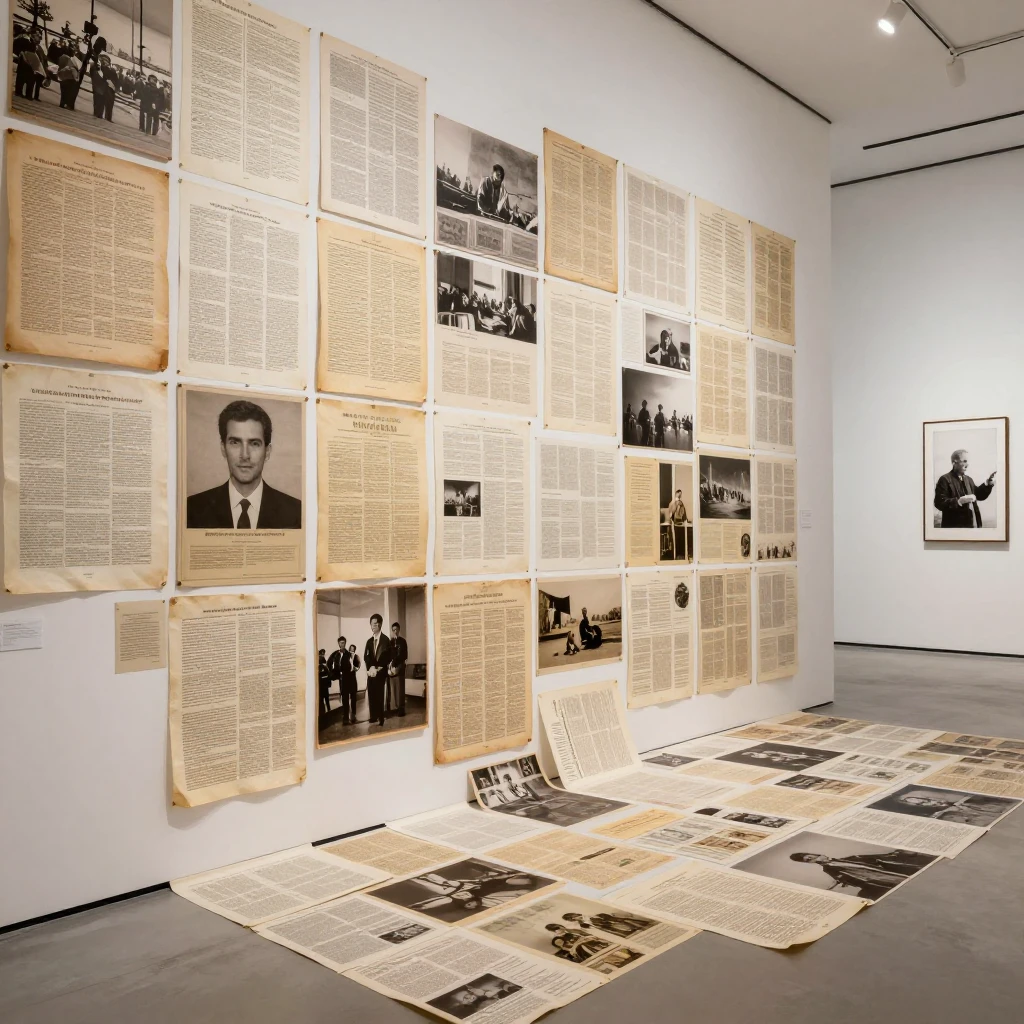
Museums and galleries can decolonize their practices by sharing decision-making, examining collections, and changing how exhibitions are produced and interpreted. The work must affect everyday policies and resources, not stop at a statement of intent.
Curatorial practice can begin with questions that shape the project from the outset: Who proposed the exhibition? Who has authority over the interpretation? Are artists and community collaborators paid for their labor? Can participants review labels, translations, or the use of culturally sensitive material before publication?
Institutions can also take practical steps:
- Review provenance and collecting policies. Make collection records accessible, investigate uncertain histories, and create clear procedures for restitution and repatriation requests.
- Share interpretive authority. Work with artists, Indigenous communities, scholars, and cultural practitioners as partners, not as unpaid sources of information.
- Change the visitor experience. Use accessible language, offer relevant translations, and explain the histories behind a collection rather than presenting objects as detached from people and place.
- Support lasting participation. Build relationships over time and budget for fair pay, access needs, and the work involved in consultation.
Each step involves trade-offs. Shared authority can take longer than a standard curatorial process, and institutions may need to reconsider established timelines or protocols. That is not a reason to avoid the work; it is a sign that collaboration has real consequences for how power operates.
Challenges and Tensions in the Process
Decolonizing contemporary art involves real tensions, including tokenism, unequal decision-making, and the risk of treating distinct cultures as interchangeable. Institutions need to recognize these problems rather than presenting decolonization as a completed checklist.
Tokenism occurs when one artist or exhibition is expected to represent a broad community. This often happens when institutions want visible change but do not alter budgets, staffing, collecting practices, or curatorial authority. The correction is to support varied practices over time and avoid asking one person to speak for everyone.
Consultation without influence is another common problem. A museum may invite community members to advise on a project but retain all final decisions. That can create mistrust and place extra labor on participants. Institutions should clarify decision-making roles, compensate expertise, and be candid about where input can change the project.
There is also a risk of flattening differences. Indigenous communities, diasporic artists, and other marginalized groups have distinct histories, rights, and relationships to cultural material. Grouping them under a single label may make a programme easier to describe, but it can obscure the very context decolonial practice is meant to restore.
Progress is rarely linear. Disagreement may be part of an honest process, especially when questions of ownership, access, or representation have been left unresolved for generations. Institutions can respond by documenting decisions, making room for critique, and treating accountability as ongoing work.
How Audiences Can Engage More Thoughtfully
Audiences can engage with art beyond dominant Western perspectives by questioning exhibition framing, seeking context, and supporting artists and spaces that take this work seriously. Curiosity is useful; assuming that one encounter can explain an entire culture is not.
When visiting a museum or gallery, consider a few questions: Who organized this exhibition? Whose words appear on the wall labels? What histories are included, and what remains unspoken? If an artwork uses cultural or archival material, does the exhibition explain the artist’s relationship to it?
Look for the artist’s own statements and reliable context from the relevant community or institution. Read a label as one interpretation, not the final authority. If a work is unfamiliar, spend time with its materials, structure, and choices before expecting it to translate itself into a familiar frame.
- Attend artist talks, community-led programmes, and exhibitions organized from perspectives outside the dominant canon.
- Buy work or publications when you can, and follow artists through their own platforms rather than relying only on institutional coverage.
- Notice whether a space credits collaborators, pays contributors, and explains its approach to contested collections.
- Ask thoughtful questions without expecting artists or visitors to provide personal histories on demand.
For a contemporary art space, the most useful measure is not whether it uses the language of decolonization, but whether its choices change who can speak, decide, and be heard. Audiences help sustain that work by paying attention to both the art and the conditions around its presentation.