Planning Your 2026 Swiss Alps Road Trip from Germany: Best Routes, Scenic Drives, and Essential Tips for an Unforgettable Alpine Adventure
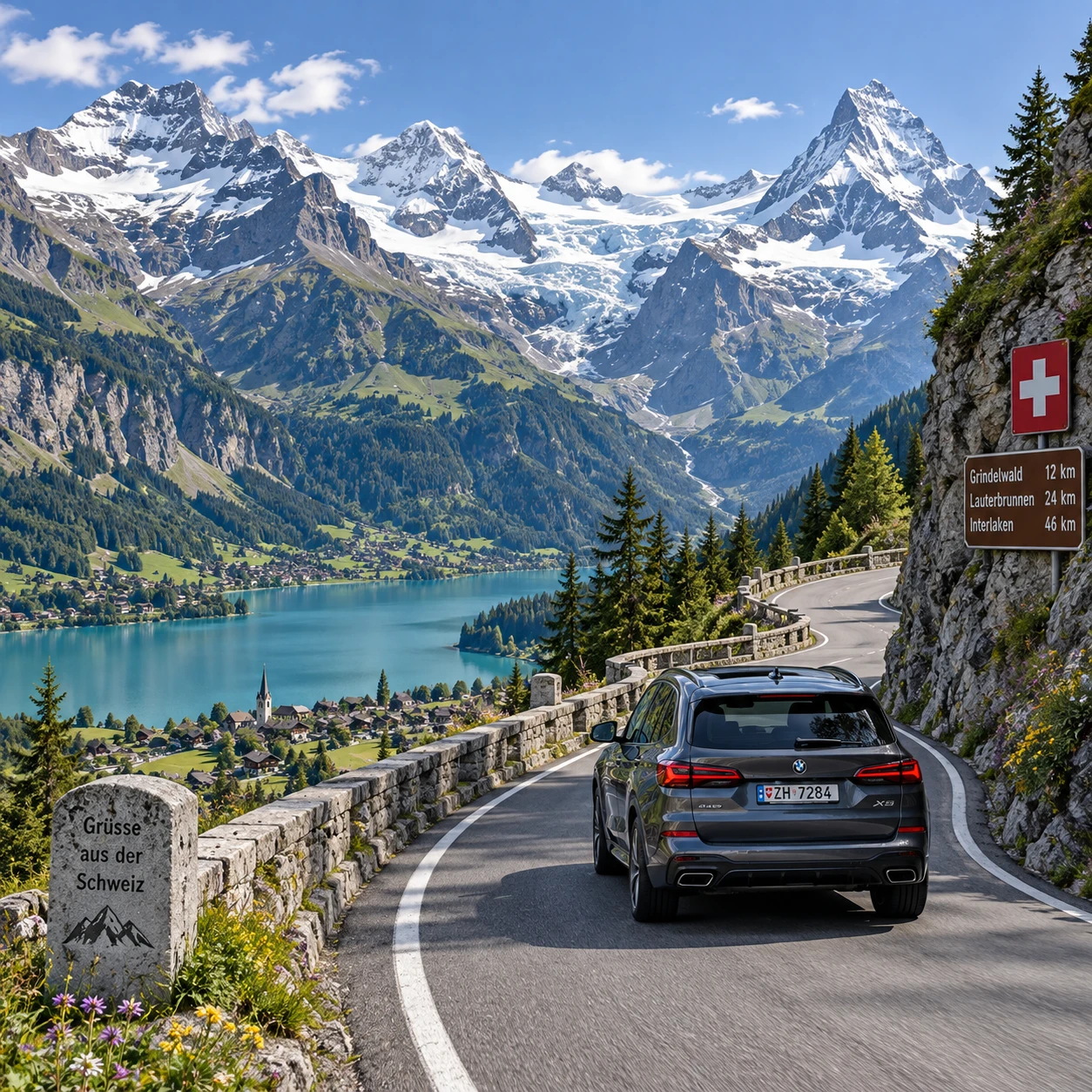
There's something about loading up the car, pointing it south, and watching German highways melt into jagged alpine peaks that never gets old for me. I've made this drive more times than I can honestly count at this point, and 2026 is looking like one of the best years yet for a Swiss Alps road trip starting from Germany. More travelers are skipping the flight-and-train combo entirely, chasing the freedom of self-drive touring instead — and yeah, it makes sense. You stop wherever you want. You linger at a viewpoint way past when the tour bus would've pulled away. You detour into tiny villages that most itineraries never even mention.
This guide covers what I wish someone had told me before my first trip — the best entry routes from Germany, the mountain passes worth going out of your way for, the border logistics that trip up first-timers, and a handful of practical tips that'll save you time (and a few headaches) once you're actually winding through the Alps.
Why Drive to the Swiss Alps from Germany in 2026
Self-drive alpine trips have exploded in popularity, and this isn't just some leftover post-pandemic trend still coasting on momentum. German travelers especially are rediscovering just how close Switzerland really is. Basel sits barely an hour from Freiburg. Munich? Only a few hours from the Austrian-Swiss crossings near Lake Constance. Compare that to flying into Zurich or Geneva and renting a car anyway — once you tally up baggage fees, airport transfers, and the general grind of airport life, driving the whole way often ends up cheaper.
But the real draw is flexibility. Switzerland's remote alpine villages and high mountain passes just aren't well served by train schedules — not really. If you want to pull over at a random overlook because the light hit the glacier exactly right, you need your own wheels. There's no train for that.
Best Time of Year to Go
Timing matters more here than on most European road trips, I'll say that upfront. The classic window is June through September, when the big passes — Furka, Grimsel, Susten — are fully open and snow-free. Go outside that window and you're gambling. Many passes close entirely from October or November through late May, sometimes even later if the snowpack's heavy that year.
If you're dead set on a winter alpine drive, know this: Switzerland requires appropriate winter tires in snowy conditions, and some mountain roads simply won't be passable at all, full stop. Always check current closures before heading out — a pass that was wide open last week can shut overnight after one bad storm.
Essential Pre-Trip Planning and Border Requirements
Crossing from Germany into Switzerland by car is refreshingly simple, since both countries sit inside the Schengen Area — no passport checks in most cases, though I'd still carry your ID or passport, vehicle registration, and proof of insurance just in case. Rental cars crossing international borders usually need written permission from the rental company, so double-check that before you leave. Don't assume it's automatic.
Here's the thing that catches people off guard: Switzerland isn't in the EU. Which means you'll need the Swiss vignette — a motorway tax sticker — to legally drive on Swiss highways. It's cheap and easy to grab at border crossings, gas stations, or online ahead of time, but skip it and you're risking a genuinely hefty fine. I'd also keep some Swiss francs on hand, even though cards work almost everywhere now. Mountain village parking meters and small cafés in the more remote spots still sometimes prefer cash. Old habits, I guess.
Choosing the Right Vehicle for Alpine Roads
Not every rental car is built for mountain driving. You want decent power for the climbs, good visibility through the switchbacks, and ideally something that makes the whole trip feel special rather than purely functional. This is exactly where I'd push back on just grabbing the cheapest compact at the airport counter — I've made that mistake, and it shows the second you hit your first real grade.
If your route brings you anywhere near the Lake Geneva region — and honestly, it should — consider booking a convertible car rental in Geneva for the stretch of your trip through the western Alps. There's a real, noticeable difference between viewing a mountain pass through a windshield and experiencing it with the top down, cold alpine air rushing in as you climb toward a ridge line. It's not just about looking good for photos. Unobstructed views genuinely matter when the scenery around you is this dramatic.
Top Entry Routes from Germany into Switzerland
Depending on where you're starting from in Germany, you've got a couple of solid entry options — each with its own flavor.
Via Basel and the Jura Mountains
This is the classic western entry point, especially handy if you're coming from Freiburg, Stuttgart, or anywhere along the Rhine valley. The crossing near Basel is quick and well-marked. Once you're through, the Jura Mountains give you a gentler introduction to Swiss terrain before you push on toward the higher Alps. It's roughly 1.5–2 hours from Freiburg to Basel, which makes it an easy first-day drive — no rush, no stress.
Via Lake Constance and Appenzell
Starting from Munich or anywhere in southern Bavaria? The eastern route via Lake Constance (Bodensee) feels more natural. You'll cross near Konstanz into Swiss territory, with the charming Appenzell region waiting on the other side — rolling green hills, traditional farmhouses, a slower rhythm before the mountains really kick in. It's a nice contrast, honestly, before the dramatic alpine scenery takes over later in the trip.
Best Scenic Drives and Mountain Passes to Include
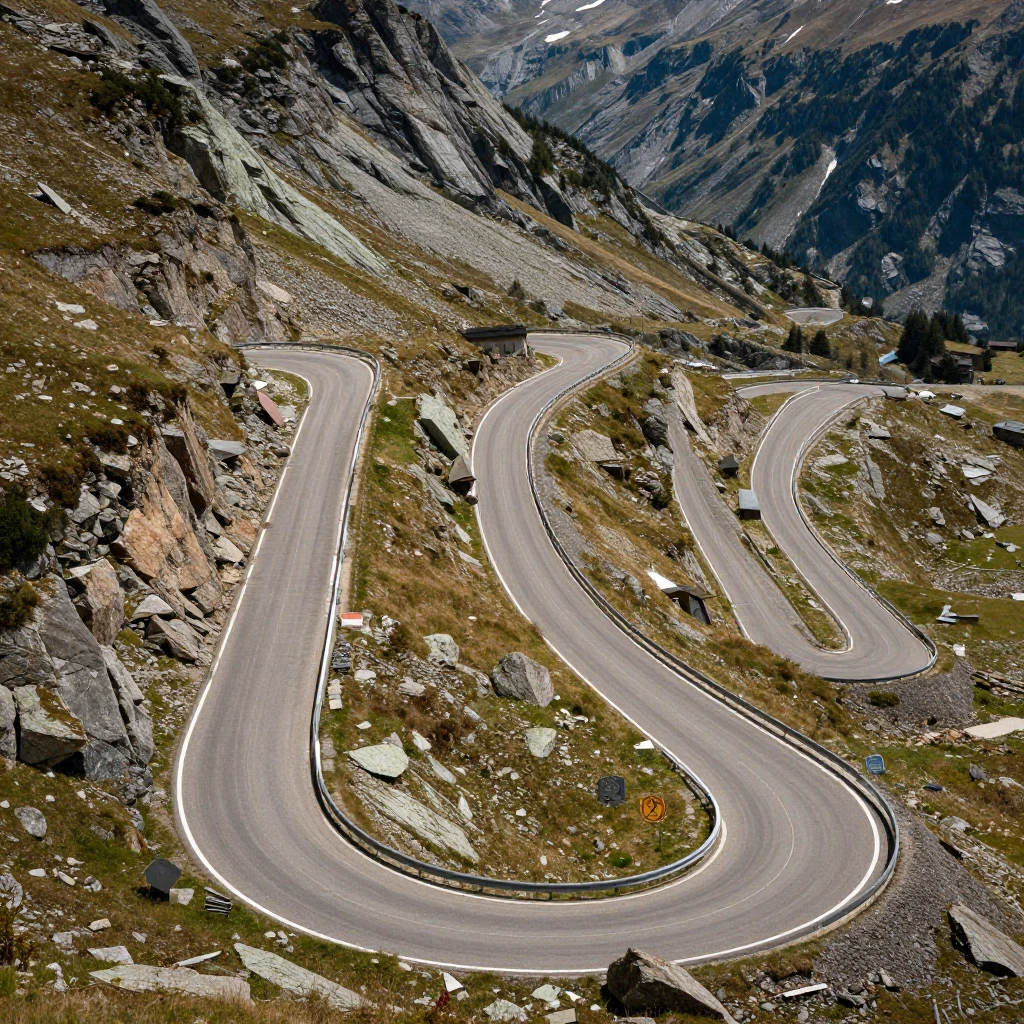
Once you're properly inside Switzerland, this is where the trip earns its reputation. The Furka Pass offers glacier views and those famous hairpin turns you've probably seen in old Bond films. The Grimsel Pass connects to it beautifully, with dramatic reservoir lakes carved straight into granite. And the Susten Pass rounds out this trio with some of the most photogenic viewpoints in the entire country — genuinely, some of the best I've seen anywhere in the Alps.
If you want a structured way to tie these together, the official Grand Tour of Switzerland route links many of these passes with other highlights, which makes planning considerably easier. Budget extra time at villages like Andermatt and Grindelwald, too. They're worth more than a quick photo stop — trust me on that one.
Day-Trip Loops from Geneva and Lake Geneva Region
If your itinerary includes a base in Geneva, you're in a great spot for some genuinely spectacular day loops. Driving along Lake Geneva's shoreline, through the vineyard-covered hills near Lavaux, with Mont Blanc and the Chamonix valley visible way off in the distance — it's one of those drives that photos never quite capture. I've tried. They just don't do it justice. This is exactly the kind of route where a convertible rental shines: slow, scenic, best enjoyed with the top down and nowhere urgent to be.
Practical Tips for a Smooth Alpine Road Trip
Mountain roads demand a different driving mindset than German autobahns — slower, more deliberate, less about speed and more about control. Narrow sections often require yielding to oncoming traffic, especially on single-lane stretches with passing bays. Locals move fast and expect you to know the etiquette, so pull over promptly when you spot a wider patch of road. Don't hesitate.
Fuel stations thin out at higher elevations, so top off before climbing any major pass — don't assume there'll be another one around the next bend. Parking in alpine towns can be tight, and it often requires a paid disc or app-based payment, so grab a Swiss parking app before you arrive. And for navigation, apps showing real-time road and pass closures are genuinely essential. Conditions change fast at altitude. Faster than you'd think.
Common Mistakes to Avoid
- Underestimating how long pass closures can last after bad weather — always check status the morning of, not the night before.
- Forgetting the Swiss vignette and getting fined at a checkpoint.
- Packing too many passes into one day — alpine driving is slower and more tiring than it looks on a map.
- Not booking accommodation early in popular villages during peak summer season, when rooms vanish fast.
Conclusion
A 2026 Swiss Alps road trip from Germany is genuinely one of the most rewarding self-drive adventures in Europe — close enough to plan on relatively short notice, yet dramatic enough to feel like a completely different world the moment you cross the border. Start planning early. Respect the seasonal realities of mountain driving. And don't underestimate how much the right vehicle shapes the whole experience — it matters more than people expect.
Whether you're tackling the Furka Pass or looping around Lake Geneva at sunset, choosing something like a convertible car rental in Geneva for the right stretch of the journey can turn an already memorable trip into one you'll be talking about for years. I still am, honestly, years after my first run through those passes.